Mahasiswa.co.id - The Uyghurs are a Turkic ethnic group primarily residing in the Xinjiang Uyghur Autonomous Region (XUAR) of China. With a population of approximately 12 million, they possess a rich cultural heritage deeply intertwined with their Islamic faith. Historically, the Uyghurs have made significant contributions to civilization, particularly during the era of the Silk Road, serving as intermediaries in trade and cultural exchanges between the East and West. In recent years, however, the Uyghur community has faced severe repression, leading to a substantial diaspora. This essay examines the sociological aspects of the Uyghur diaspora, focusing on their roles and activities in preserving their culture, heritage, and traditions.
Historical Contributions to Civilization
The Uyghurs have a storied history that dates back to the Uyghur Khaganate (744–840 CE), a powerful empire in Central Asia. Their strategic location along the Silk Road facilitated not only trade but also the exchange of ideas, religions, and cultures. The Uyghurs were instrumental in the transmission of Buddhism into China and later embraced Islam, which became a cornerstone of their identity. Their contributions to literature, art, and architecture are evident in historical sites and manuscripts that reflect a synthesis of various cultural influences.
The Uyghur Diaspora: Formation and Demographics
The term "diaspora" refers to the dispersion of a population from their original homeland. For the Uyghurs, this dispersion has been both voluntary and forced, particularly in response to political and social pressures in China. Significant Uyghur communities have established themselves in countries such as Turkey, Kazakhstan, Germany, and the United States. The formation of these diaspora communities can be analyzed through the lens of sociological theories, including migration theory and social network theory.
Migration Theory and the Uyghur Diaspora
Migration theory explores the factors that drive individuals to move from one location to another. For the Uyghurs, push factors include political repression, cultural assimilation policies, and economic marginalization in China. Pull factors involve the search for religious freedom, economic opportunities, and the presence of established Uyghur communities abroad. The interplay of these factors has led to the growth of the Uyghur diaspora, as individuals seek environments where they can preserve their cultural identity and secure better futures for their families.
Social Network Theory and Diaspora Communities
Social network theory examines how social structures and relationships influence behavior. In the context of the Uyghur diaspora, existing social networks have played a crucial role in facilitating migration and settlement. Established diaspora communities provide support systems that assist newcomers in navigating new cultural landscapes, accessing resources, and maintaining cultural practices. These networks are vital for the preservation of Uyghur culture, as they create spaces where traditions can be practiced and transmitted to future generations.
Preservation of Culture, Heritage, and Tradition
The preservation of culture within diaspora communities is a multifaceted process that involves various activities and institutions. For the Uyghurs, this includes the establishment of cultural centers, religious institutions, and educational programs that focus on language and heritage. These efforts can be analyzed through the framework of cultural reproduction theory, which explores how cultural values and practices are maintained and transmitted across generations.
Cultural Reproduction Theory and Uyghur Cultural Preservation
Cultural reproduction theory, as proposed by sociologist Pierre Bourdieu, suggests that cultural capitalcomprising knowledge, skills, and education—is transmitted within families and communities, thereby perpetuating cultural norms and values. In the Uyghur diaspora, cultural reproduction occurs through:
- Language Preservation: Teaching the Uyghur language to younger generations is a fundamental aspect of cultural preservation. Language classes and cultural workshops are organized within diaspora communities to ensure that the language remains a living medium of communication and cultural expression.
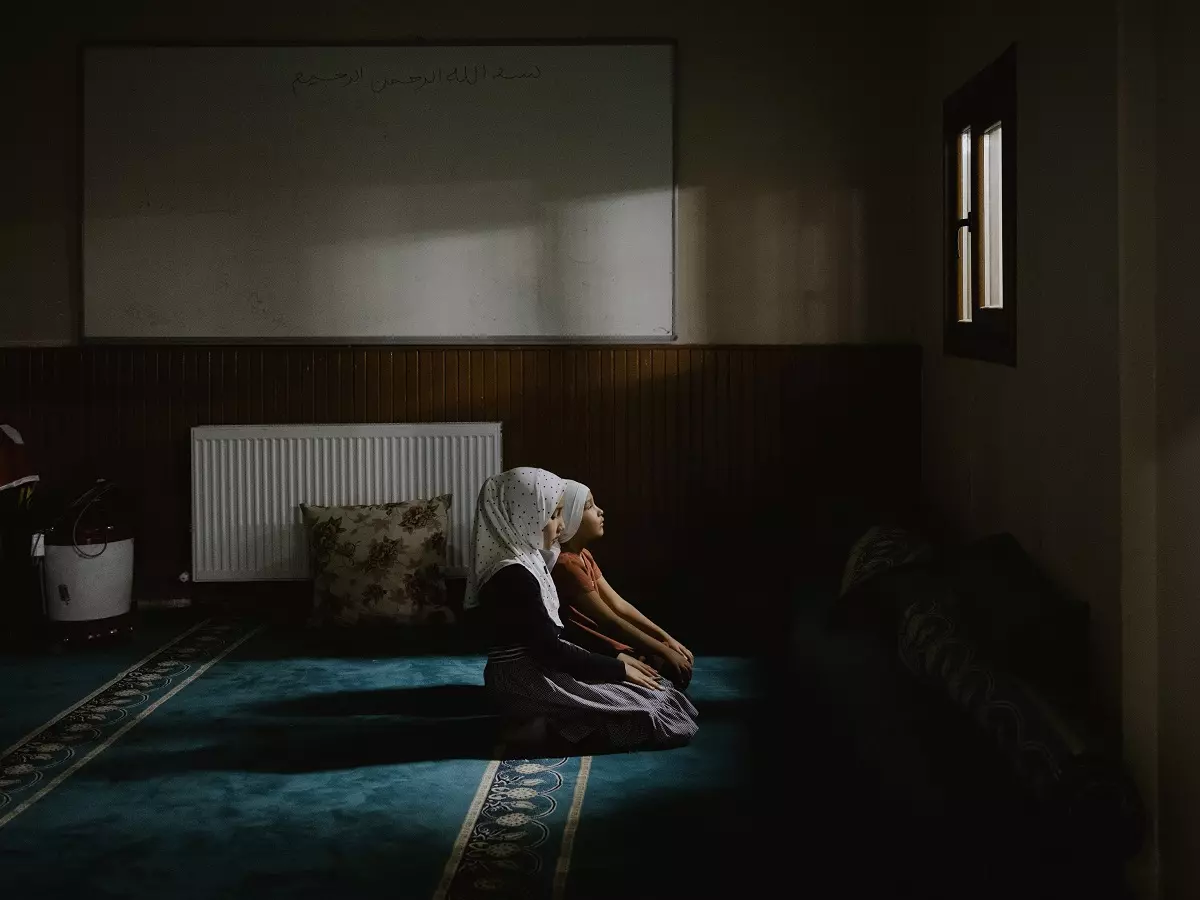
- Religious Practices: Islam is central to Uyghur identity. Diaspora communities establish mosques and religious schools to practice and teach their faith, thereby maintaining religious traditions and community cohesion.
- Cultural Events and Festivals: Celebrating traditional festivals, such as Nowruz (the Persian New Year) and Meshrep (a traditional Uyghur gathering), allows diaspora communities to reinforce their cultural identity and pass on traditions to younger members.
Challenges in Cultural Preservation
Despite these efforts, the Uyghur diaspora faces significant challenges in preserving their culture:
- Assimilation Pressures: In host countries, especially in the West, there is often pressure to assimilate into the dominant culture, which can lead to the erosion of cultural practices over time.
- Resource Constraints: Establishing and maintaining cultural institutions require financial and human resources, which may be limited within diaspora communities.
- Transnational Repression: Reports indicate that the Chinese government exerts pressure on Uyghur diaspora members, including surveillance and intimidation, which can hinder cultural activities and create an atmosphere of fear.
Role of Technology and Social Media
In the digital age, technology and social media have become powerful tools for cultural preservation. Uyghur diaspora members utilize platforms such as YouTube, Facebook, and WeChat to share cultural content, organize virtual events, and connect with others globally. This digital engagement facilitates the creation of a transnational cultural space where Uyghur identity can be expressed and sustained.
Transnationalism and the Uyghur Diaspora
Transnationalism refers to the process by which immigrants create and maintain multiple social, economic, and political connections across national borders. For the Uyghur diaspora, transnational activities include:
- Advocacy and Human Rights Campaigns: Diaspora members engage in advocacy to raise awareness about the human rights situation in Xinjiang, lobbying international organizations and governments to take action.
- Cultural Exchange: Participating in international cultural and academic conferences allows the Uyghur diaspora to share their heritage with a broader audience, fostering cross-cultural understanding.
The Uyghur diaspora faces a multitude of challenges globally, stemming from political, social, and economic factors. Key issues include:
- Transnational Repression
The Chinese government extends its surveillance and intimidation tactics beyond its borders, targeting Uyghurs abroad. This includes harassment, threats, and pressure on family members remaining in China, creating a climate of fear and insecurity within the diaspora. Reports indicate that such transnational repression has dramatically increased since 2017.
- Statelessness and Legal Vulnerabilities
Many Uyghurs abroad face legal uncertainties, including difficulties obtaining or renewing passports, leading to statelessness. This status restricts their ability to access education, healthcare, and employment, and increases the risk of deportation to China, where they may face persecution. A report highlights that Uyghurs living outside the Uyghur region face challenges including enforced statelessness and vulnerability to refoulement.
- Economic Hardships
Discrimination and legal challenges often limit employment opportunities for Uyghurs in host countries. Loss of livelihoods and businesses is a significant issue, as noted in reports on the humanitarian needs of at-risk Uyghur communities.
- Cultural and Identity Preservation
Maintaining cultural practices and religious traditions is challenging due to assimilation pressures and limited resources. Efforts to sustain Uyghur culture and identity in the diaspora are crucial, especially given the bleak conditions in their homeland.
- Psychological and Emotional Strain
The diaspora experiences collective and cultural trauma, exacerbated by ongoing harassment, threats, and cyberattacks. The separation from family members and the uncertainty about their well-being contribute to significant emotional distress.
In conclusion, the Uyghur diaspora exemplifies remarkable cultural resilience amid significant challenges. Through dedicated efforts in language preservation, cultural events, religious practices, and advocacy, they strive to maintain their rich heritage and identity. However, they confront obstacles such as assimilation pressures, resource constraints, and transnational repression. Addressing these issues necessitates sustained support from the international community to ensure the survival and flourishing of Uyghur culture in the diaspora.
References
https://www.nationalgeographic.com/history/article/china-uyghurs-oppressed-exile-defiance-culture-preservation-istanbul-diaspora/
https://uyghurtimes.com/celebrating-20-years-of-resilience-the-world-uyghur-congress-enduring-fight-for-freedom/







Komentar 0